
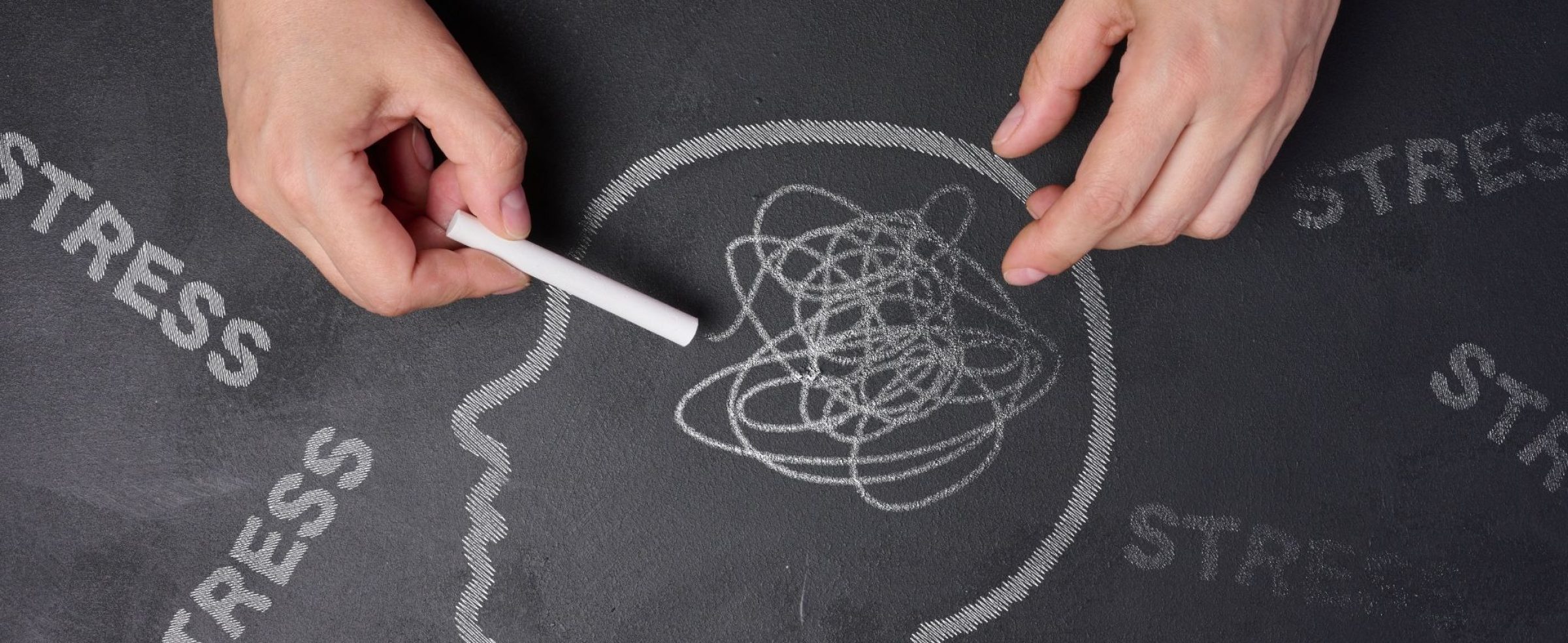
Chronic stress has quietly become one of the most common health challenges of modern life. Unlike short bursts of stress that fade after a problem is solved, chronic stress lingers. It builds slowly through daily pressures such as work demands, financial worries, constant connectivity, and social expectations.
Over time, this continuous pressure begins to affect every part of life. Physically, it can lead to fatigue, sleep problems, headaches, and weakened immunity. Emotionally, it often shows up as anxiety, irritability, and feeling overwhelmed. Cognitively, it reduces concentration, creativity, and decision-making ability.
This article focuses on practical daily habits that help reduce chronic stress sustainably. Instead of quick fixes, it explores realistic strategies that strengthen resilience and support long-term mental wellness.
Understanding Chronic Stress and Its Impact
Stress itself is not always harmful. Acute stress can even be helpful, motivating people to act quickly or solve problems. Chronic stress, however, is different. It occurs when the body’s stress response remains activated for long periods without proper recovery.
Prolonged stress disrupts the nervous system. The body stays in a constant “fight or flight” mode. Stress hormones remain elevated, and the body struggles to return to a calm state.
This imbalance can increase the risk of burnout, anxiety disorders, depression, cardiovascular problems, and metabolic issues. Over time, chronic stress also weakens emotional resilience, making it harder to cope with everyday challenges.
Recognizing how chronic stress operates is the first step toward reducing its impact.
Recognizing Early Signs of Chronic Stress
Physical Warning Signals
The body often sends early warning signs before stress becomes overwhelming. Persistent fatigue is one of the most common indicators. Even after rest, energy levels may remain low.
Headaches, muscle tension, digestive discomfort, and sleep disruption are also frequent signs. Some people experience frequent colds or infections due to weakened immune function.
Ignoring these signals can allow stress to escalate into more serious health problems.
Emotional and Cognitive Indicators
Chronic stress also affects emotional balance. Irritability, anxiety, mood swings, and a constant sense of pressure are common.
Cognitive symptoms include brain fog, difficulty concentrating, forgetfulness, and reduced motivation. Decision-making becomes harder, and simple tasks may feel overwhelming.
Recognizing these emotional and mental signs early makes it easier to intervene before stress becomes severe.
The Science Behind Stress Reduction
Stress triggers the release of cortisol and other hormones that prepare the body to respond to threats. In short bursts, this response is beneficial. However, when stress becomes constant, cortisol levels remain elevated.
This disrupts sleep, weakens immunity, and increases inflammation.
Stress reduction strategies work by activating the body’s relaxation response. This state lowers heart rate, reduces cortisol levels, and restores balance in the nervous system.
Consistent habits play a crucial role. The brain can be retrained over time to respond more calmly to stressors through repeated positive routines.
Morning Habits That Help Reduce Chronic Stress
Mindful Start to the Day
How the day begins strongly influences stress levels. Starting the morning with calm, intentional habits helps stabilize mood.
Simple breathing exercises can reduce anxiety within minutes. Practicing gratitude also shifts focus away from worries and toward positive awareness.
Avoiding immediate exposure to emails, social media, or news prevents early mental overload.
Physical Activation for Mental Balance
Light physical activity in the morning supports emotional stability. Stretching, walking, or gentle movement stimulates circulation and releases endorphins.
Exposure to natural sunlight early in the day helps regulate circadian rhythms. This improves sleep quality and enhances mood throughout the day.
These small morning habits create a foundation for resilience.
Workplace Strategies for Managing Daily Stress
Work environments are often major sources of chronic stress. Managing daily demands requires strategic approaches rather than reactive coping.
Setting realistic priorities prevents overload. Breaking large projects into smaller tasks makes them more manageable.
Avoiding constant multitasking improves productivity and reduces mental fatigue. Focusing on one task at a time helps maintain clarity.
Short micro-breaks throughout the day are also essential. Even brief pauses for stretching or deep breathing can reset the nervous system and improve concentration.
Building Healthy Emotional Coping Mechanisms
Emotional coping skills play a critical role in stress management. Developing awareness of emotions allows individuals to respond thoughtfully rather than react impulsively.
Healthy outlets for releasing tension include creative activities, journaling, or talking with trusted people.
Social support networks provide emotional stability. Meaningful connections help individuals process challenges and reduce feelings of isolation.
Strong coping mechanisms improve resilience and reduce the long-term impact of stress.
Lifestyle Factors That Influence Chronic Stress
Sleep Quality and Stress Recovery
Sleep is one of the most powerful stress recovery tools. During sleep, the body repairs tissues, regulates hormones, and processes emotional experiences.
Irregular sleep patterns or insufficient rest can increase cortisol levels and intensify stress responses.
Creating a consistent evening routine helps improve sleep quality. Reducing screen exposure, maintaining a calm environment, and practicing relaxation techniques support restorative rest.
Nutrition and Stress Resilience
Nutrition also plays a significant role in stress management. Balanced meals stabilize blood sugar levels, preventing mood swings and fatigue.
Hydration supports cognitive function and energy levels. Limiting excessive caffeine and processed foods can help reduce anxiety and improve emotional balance.
Healthy dietary habits contribute to overall resilience.
Daily Mindfulness Practices for Stress Relief
Mindfulness practices help individuals stay present rather than dwelling on past worries or future uncertainties.
Meditation, grounding exercises, and body scans reduce mental clutter and calm the nervous system.
Journaling encourages reflective thinking. Writing about experiences can clarify emotions and reduce mental tension.
Mindfulness can also be integrated into daily activities such as eating, walking, or listening. Consistent practice gradually strengthens emotional stability.
Physical Activities That Reduce Stress Naturally
Exercise is one of the most effective natural stress regulators. Physical activity releases endorphins that improve mood and reduce anxiety.
Low-impact activities such as walking, yoga, or stretching are especially beneficial for daily stress reduction.
Consistency matters more than intensity. Regular moderate activity supports long-term mental and physical health.
Even small daily movements can significantly reduce stress levels over time.
Managing Digital Overload and Mental Fatigue
Constant connectivity is a major contributor to chronic stress. Notifications, emails, and social media create continuous mental stimulation.
Setting digital boundaries is essential. Designating specific times for checking messages prevents constant interruptions.
Digital detox routines, such as screen-free evenings, allow the brain to rest and recover.
Healthy technology habits improve focus, reduce anxiety, and support emotional balance.
Cognitive Strategies to Reduce Stress-Related Thinking Patterns
Reframing Negative Thoughts
Chronic stress is often fueled by negative thinking patterns. Cognitive distortions such as catastrophizing or overgeneralization can intensify anxiety.
Identifying these patterns allows individuals to challenge them. Practicing positive reinterpretation helps shift perspectives toward constructive solutions.
This cognitive flexibility reduces emotional reactivity.
Problem-Solving Approaches
Effective problem-solving strategies also reduce stress. Breaking complex challenges into smaller steps makes them less overwhelming.
Planning actions instead of worrying about uncertainties creates a sense of control.
These strategies strengthen mental resilience and reduce stress-inducing thought cycles.
Creating a Personalized Daily Stress-Reduction Routine
Stress management is not one-size-fits-all. Each individual has unique triggers and coping preferences.
Identifying personal stressors helps tailor effective strategies. Combining mental, physical, and emotional practices creates a balanced routine.
Building habits gradually increases sustainability. Small daily improvements lead to significant long-term benefits.
Consistency is the key to lasting stress reduction.
Common Mistakes That Prevent Stress Reduction
Many people struggle to reduce stress because they overlook early warning signs. Waiting until burnout occurs makes recovery more difficult.
Relying on temporary coping mechanisms such as avoidance or unhealthy distractions can worsen long-term stress.
Inconsistent self-care routines also limit progress. Sustainable habits require regular practice rather than occasional effort.
Avoiding these common mistakes improves the effectiveness of stress management strategies.
Long-Term Strategies for Maintaining Mental Wellness
Long-term mental wellness requires ongoing attention. Building resilience involves continuous self-care and adaptive coping strategies.
Supportive environments play an important role. Healthy relationships, balanced workloads, and positive routines strengthen emotional stability.
Periodic reflection helps individuals adjust habits based on changing circumstances.
Sustained commitment to wellness practices ensures long-term stress reduction.
Conclusion
Chronic stress is a growing challenge, but it can be managed through consistent daily habits. Small actions such as mindful mornings, balanced routines, physical activity, and emotional awareness create powerful long-term benefits. Reducing stress is not about eliminating challenges. It is about strengthening resilience and building healthier responses. By adopting practical, sustainable changes, individuals can improve mental clarity, emotional balance, and overall well-being for life.
